Subtotal $0.00

Discover 10 nutritious foods that can support healthy weight management. Learn how to build balanced meals with protein, fibre, whole grains, fruits, and vegetables.
10 Healthy Foods for Weight Management
Choosing nutritious foods can make it easier to build balanced and satisfying meals while working toward healthy weight-management goals.
However, it is important to understand that no single food can directly burn fat or cause weight loss on its own. Healthy weight management depends on your overall eating pattern, portion sizes, physical activity, sleep, and total energy intake.
The goal is not to eliminate foods or follow highly restrictive diets. Instead, focus on nutrient-dense foods that provide protein, fibre, healthy fats, vitamins, and minerals while helping you stay satisfied throughout the day.
Here are 10 nutritious foods that can be part of a balanced approach to weight management.
1. Eggs
Eggs are a convenient source of high-quality protein and can make meals more satisfying. They are also versatile and easy to include in breakfast, lunch, or dinner.
You can enjoy boiled or poached eggs, or prepare a vegetable omelette with spinach, tomatoes, onions, and other vegetables.
Tip: Pair eggs with whole-wheat toast or roti and vegetables to create a balanced meal.
Simple meal idea:
2 eggs + whole-wheat roti + cucumber and tomato salad.
2. Daal
Daal is a popular Pakistani staple and a nutritious source of plant-based protein and dietary fibre. It also provides several vitamins and minerals.
The combination of protein and fibre can help make meals more satisfying and can be a useful part of a balanced eating pattern.
Enjoy daal with whole-wheat roti, brown rice, vegetables, or a fresh salad.
Tip: Keep added oil moderate and include vegetables alongside your daal for a more balanced meal.
Simple meal idea:
Daal + whole-wheat roti + mixed vegetable salad + plain yogurt.
3. Chicken
Chicken is a versatile source of protein that can be included in many different meals. Protein is an important part of a balanced diet and contributes to maintaining muscle.
For regular meals, consider grilled, baked, roasted, or lightly cooked chicken more often than deep-fried preparations.
You can add chicken to salads, wraps, curries, rice dishes, or vegetable-based meals.
Tip: Choose cooking methods that use less added oil and pair chicken with vegetables and a suitable portion of carbohydrates.
Simple meal idea:
Grilled chicken + mixed vegetables + salad + whole-wheat roti.
4. Fish
Fish provides high-quality protein, and some types of fish are also good sources of omega-3 fatty acids.
Including fish as part of a varied diet can provide important nutrients while adding variety to your meals.
Try baked, grilled, steamed, or lightly cooked fish with vegetables, salad, or a whole-grain side.
Tip: Avoid relying mainly on deep-fried fish if your goal is to build a balanced eating pattern.
Simple meal idea:
Grilled fish + roasted vegetables + salad.
5. Vegetables
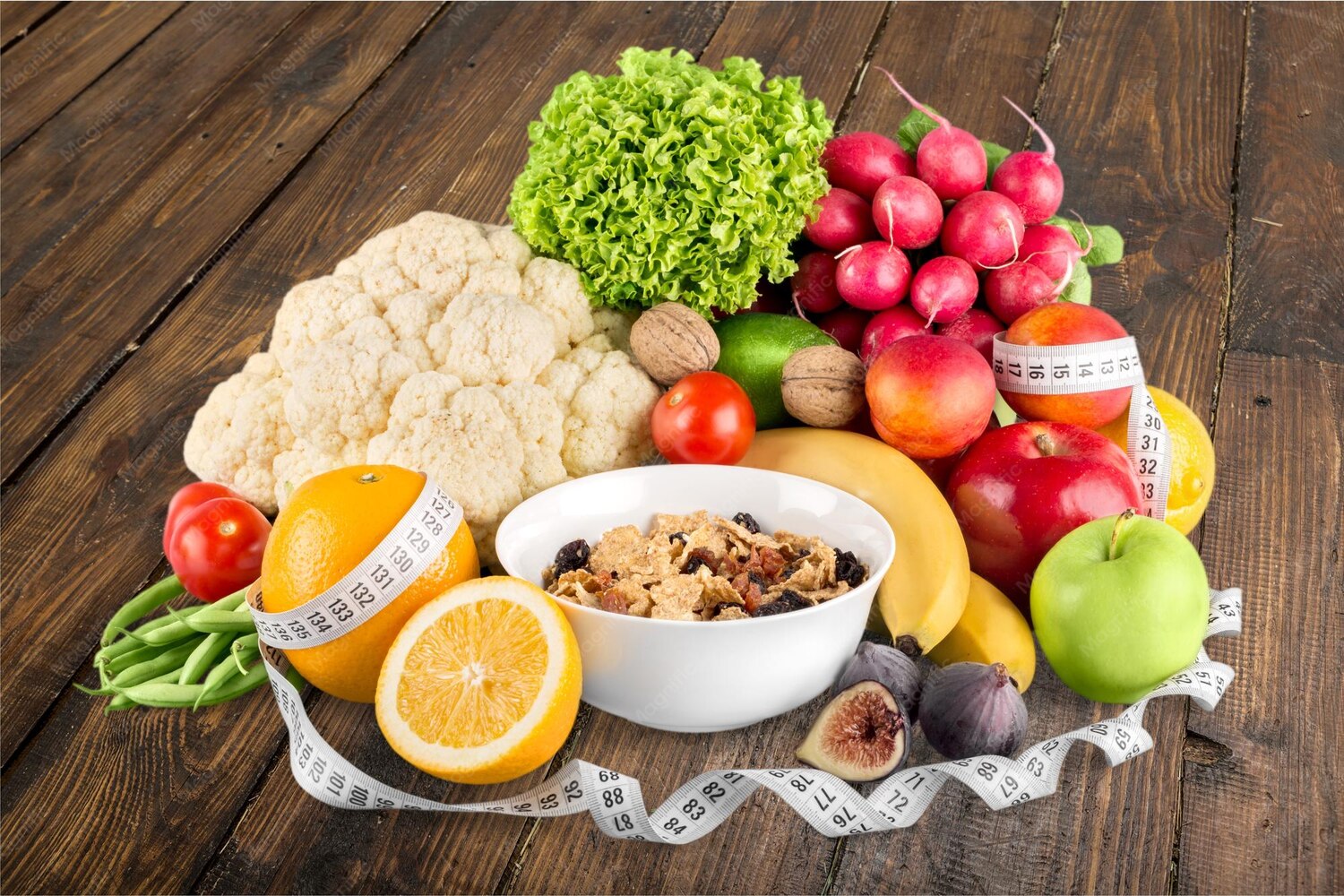
Vegetables are an important part of a nutritious diet. They provide fibre, vitamins, minerals, and other beneficial plant compounds.
Many vegetables are also relatively low in energy density, which means they can add volume and variety to meals without contributing a large amount of energy.
Include different vegetables such as:
- Spinach
- Carrots
- Cucumber
- Tomatoes
- Cauliflower
- Cabbage
- Okra
- Capsicum
- Eggplant
- Seasonal vegetables
Tip: Try to include vegetables in your main meals instead of treating them only as a side dish.
Simple meal idea:
A large mixed salad with cucumber, tomato, carrot, lettuce, and lemon.
6. Chana
Chana, or chickpeas, is another nutritious food that can fit well into a balanced diet.
Chickpeas provide plant-based protein and dietary fibre and can be used in many Pakistani and South Asian dishes.
You can enjoy chana in:
- Salads
- Homemade chaat
- Curries
- Soups
- Wraps
- Balanced lunch bowls
Tip: Be mindful of how chana is prepared. Large amounts of oil, creamy sauces, or fried ingredients can significantly change the nutritional value of a meal.
Simple meal idea:
Chana + cucumber + tomatoes + onions + lemon juice + fresh herbs.
7. Plain Yogurt
Plain, unsweetened yogurt provides protein and calcium and can be a convenient addition to meals or snacks.
Choosing plain yogurt instead of heavily sweetened varieties can help reduce your intake of added sugars.
You can use yogurt to prepare raita or enjoy it with fruit and a small portion of nuts.
Tip: Check the nutrition label when buying packaged yogurt because some flavoured varieties can contain significant amounts of added sugar.
Simple snack idea:
Plain yogurt + fresh fruit + a small serving of nuts.
8. Fruits
Whole fruits can be an important part of a balanced eating pattern. They provide fibre, vitamins, minerals, and natural sweetness.
Good options include:
- Apples
- Oranges
- Guava
- Pears
- Papaya
- Melon
- Berries
- Peaches
- Pomegranate
- Seasonal fruits
You do not need to completely avoid fruit when trying to manage your weight.
Tip: Choose whole fruit more often than fruit juice. Whole fruit contains fibre and can be more satisfying than drinking the same fruit as juice.
Simple snack idea:
One serving of whole fruit with a small portion of nuts or plain yogurt.
9. Oats
Oats are a practical whole-grain food that provides dietary fibre and can be prepared in many different ways.
They can make a convenient breakfast and can be combined with other nutritious foods to create a balanced meal.
Try preparing oats with milk or plain yogurt and adding fresh fruit, cinnamon, nuts, or seeds.
Tip: Be careful with highly sweetened instant oat products. Plain oats allow you to control how much sugar and other ingredients are added.
Simple breakfast idea:
Oats + plain yogurt or milk + chia seeds + fresh fruit.
10. Nuts and Seeds
Nuts and seeds provide healthy unsaturated fats, protein, fibre, vitamins, and minerals.
Examples include:
- Almonds
- Walnuts
- Pistachios
- Chia seeds
- Flaxseeds
- Pumpkin seeds
They can add flavour and nutritional value to meals and snacks.
However, nuts and seeds are energy-dense, so portion size is important.
Tip: Add a small serving to yogurt, oats, salads, or fruit instead of eating large amounts directly from the packet.
Simple snack idea:
A small serving of almonds or walnuts with a piece of whole fruit.
How to Build a Balanced Meal for Weight Management
Choosing nutritious foods is only one part of healthy weight management. How you combine foods and manage portions also matters.
A simple way to build a balanced meal is to include:
Protein
Choose foods such as:
- Eggs
- Chicken
- Fish
- Daal
- Chana
- Yogurt
Vegetables
Add a variety of colourful vegetables to provide fibre and important nutrients.
Whole Grains or Other Carbohydrates
Options can include:
- Whole-wheat roti
- Oats
- Brown rice
- Whole-grain bread
- Other minimally processed carbohydrate sources
Healthy Fats
Include appropriate portions of foods such as:
- Nuts
- Seeds
- Avocado
- Olive oil
Fruit
Whole fruit can be included as a snack or as part of a meal according to your individual needs.
A balanced diet does not require you to completely remove carbohydrates, rice, roti, or your favourite foods. Instead, focus on appropriate portions and overall dietary balance.
What About Portion Sizes?
Even nutritious foods can provide more energy than your body needs if eaten in very large amounts.
However, there is no single portion size that works for everyone.
Your nutritional needs can depend on factors such as:
- Age
- Body size
- Activity level
- Lifestyle
- Health status
- Personal goals
- Existing medical conditions
Instead of following strict food rules, focus on understanding your own nutritional needs.
A qualified nutrition professional can help you determine suitable portions and create a realistic eating pattern based on your individual goals.
Healthy Foods Are Only One Part of Weight Management
Eating nutritious foods is important, but healthy weight management involves more than food choices.
Other factors can include:
Regular Physical Activity
Movement and regular physical activity can support overall health and help you maintain an active lifestyle.
Adequate Sleep
Sleep is an important part of overall wellbeing. Developing a consistent sleep routine can support healthy lifestyle habits.
Hydration
Water is an important part of a healthy diet. Choose water as your main everyday drink when possible.
Consistency
You do not need to eat perfectly every day. Sustainable habits that you can maintain over time are more realistic than extreme short-term diets.
Healthy Pakistani Foods for Weight Management
You do not need to completely change your traditional diet to work toward healthier weight management.
Many familiar Pakistani foods can fit into a balanced eating pattern.
For example:
Breakfast:
Egg + whole-wheat roti + vegetables
Lunch:
Daal + roti + salad + yogurt
Snack:
Fruit + a small serving of nuts
Dinner:
Grilled chicken or fish + vegetables + roti or rice
The focus should be on balanced meals, suitable portions, nutritious ingredients, and cooking methods rather than completely eliminating traditional foods.
Foods to Limit for Better Weight Management
Healthy weight management does not mean you can never eat sweets, fried foods, or other favourite foods.
However, it can be helpful to limit frequent consumption of foods and drinks that are high in added sugars, saturated fats, or energy but provide relatively few nutrients.
Examples include:
- Sugary soft drinks
- Frequent fast food
- Deep-fried snacks
- Cakes and pastries
- Highly sweetened desserts
- Excessively sugary tea or coffee
- Highly processed snack foods
These foods can still be enjoyed occasionally as part of an overall balanced diet.
The goal is balance, not perfection.
Common Weight-Loss Food Myths
Myth 1: One Food Can Burn Fat
Fact: No individual food can directly burn body fat. Weight management is influenced by your overall dietary pattern, energy intake, physical activity, and other lifestyle factors.
Myth 2: Carbohydrates Must Be Completely Avoided
Fact: Carbohydrates can be part of a balanced diet. Choosing appropriate portions and nutritious carbohydrate sources can help you build balanced meals.
Myth 3: Healthy Foods Can Be Eaten Without Portion Control
Fact: Nutritious foods are valuable, but portion size still matters because all foods contribute energy.
Myth 4: You Must Follow a Very Strict Diet
Fact: Extreme diets can be difficult to maintain. A realistic eating pattern that fits your lifestyle may be easier to follow in the long term.
Myth 5: You Need Special “Fat-Burning” Foods
Fact: There is no magic food that guarantees weight loss. Sustainable weight management comes from your overall lifestyle and eating habits.
The Bottom Line
Healthy weight management is not about finding one magical food or following a restrictive diet.
Instead, focus on building a balanced eating pattern that includes protein-rich foods, vegetables, fruits, whole grains, legumes, healthy fats, and appropriate portions.
Foods such as eggs, daal, chicken, fish, vegetables, chana, plain yogurt, fruit, oats, nuts, and seeds can all be part of a nutritious diet.
Remember that no individual food burns fat or guarantees weight loss. Your overall dietary pattern, physical activity, sleep, lifestyle, and individual nutritional needs all matter.
Small, realistic changes can be easier to maintain than extreme diets.
Looking for Personalised Nutrition Guidance?
At NutriVibebyHWO, we provide personalised, evidence-based nutrition guidance based on your health needs, lifestyle, food preferences, and personal goals.
Our approach focuses on practical habits and sustainable nutrition rather than restrictive fad diets.
Ready to Start Your Healthier Journey?
Book a consultation with NutriVibebyHWO to discuss your nutrition goals and receive guidance tailored to your individual needs.
Book Your Consultation
Talk to a Nutritionist
Frequently Asked Questions
What are the best foods for weight management?
Nutritious foods such as eggs, daal, chicken, fish, vegetables, chana, plain yogurt, fruits, oats, nuts, and seeds can all be part of a balanced diet for weight management.
Can I eat rice and roti while trying to manage my weight?
Yes. Rice and roti can be included in a balanced diet. Portion size, preparation, and what you eat alongside them are important.
Which food burns the most fat?
No individual food can directly burn body fat. Sustainable weight management depends on your overall dietary pattern, energy intake, activity, and lifestyle.
Are fruits good for weight management?
Yes. Whole fruits provide fibre, vitamins, minerals, and other nutrients and can be included as part of a balanced diet.
Are eggs good for weight management?
Eggs provide protein and can be included in satisfying, balanced meals. How they are prepared and what you eat with them also matters.
Is daal good for weight management?
Daal can be a nutritious choice because it provides plant-based protein and fibre. It can be paired with vegetables and a suitable portion of roti or rice.
Should I stop eating carbohydrates to lose weight?
Not necessarily. Carbohydrates can be part of a balanced diet. Choosing nutritious sources and appropriate portions is more useful than automatically eliminating all carbohydrates.
How can a nutritionist help with weight management?
A nutritionist can help you understand your nutritional needs, improve meal planning, manage portions, and develop realistic eating habits that fit your lifestyle and health goals.