Subtotal $0.00

Start Your Personalized Nutrition Journey Today!
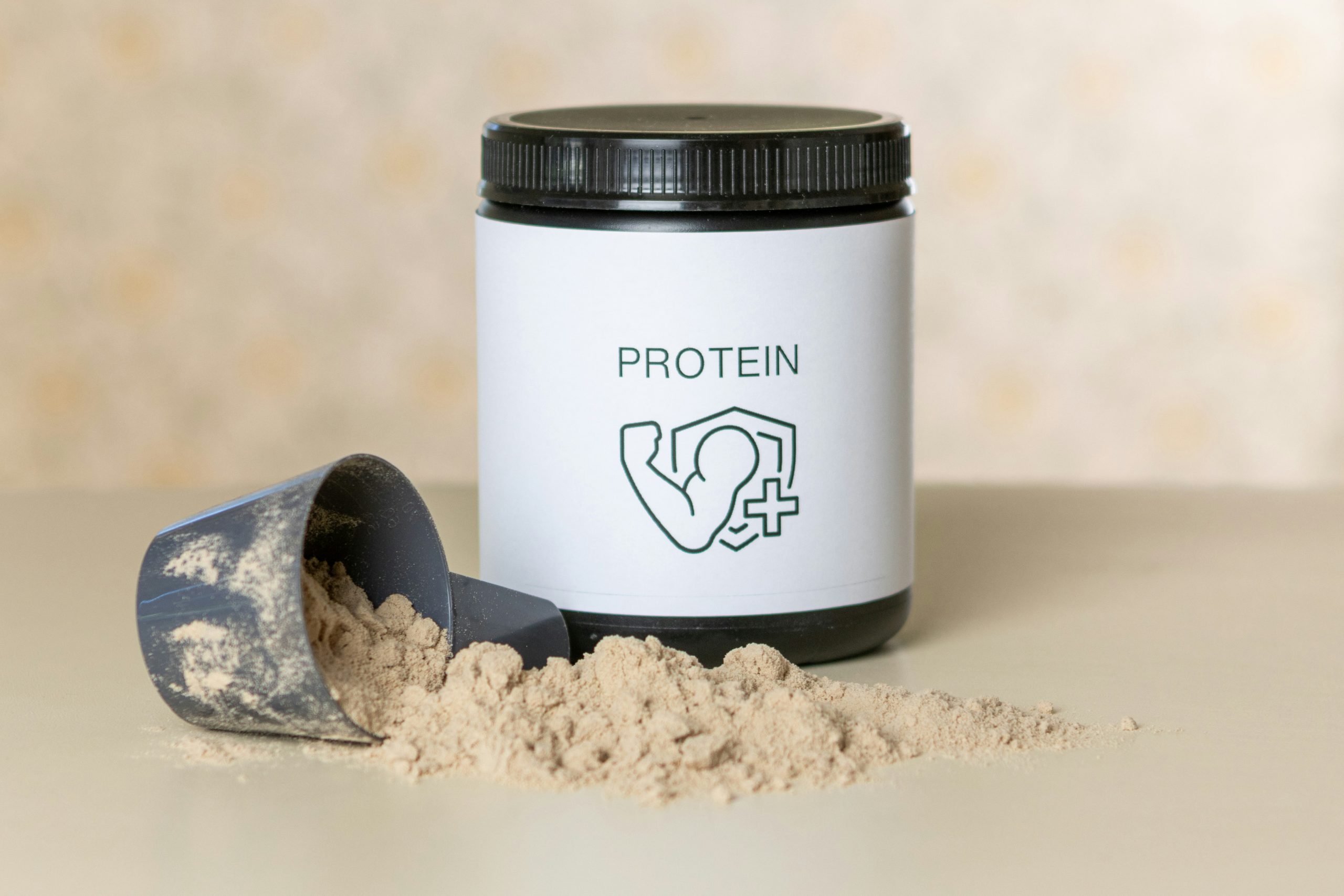
Take a step toward improved nutritional health with personalised nutrition support designed around your energy, protein and nutritional needs.
Book Consultation → Ask a Question ?A personalised nutrition approach designed to improve energy and protein intake, support healthy weight restoration, maintain muscle and nutritional status, and build sustainable eating habits.
Protein Energy Malnutrition occurs when the body does not receive enough energy and protein to meet its nutritional requirements. It can develop because of inadequate food intake, poor appetite, difficulty eating, illness, increased nutritional requirements, problems with nutrient absorption or a combination of different factors.
Malnutrition can affect people of different ages and backgrounds. It may be associated with unintentional weight loss, low body weight, reduced muscle mass, weakness, fatigue and reduced nutritional reserves. Identifying the underlying reasons for inadequate intake is an important part of effective nutrition support.
At NutriVibebyhwo, we begin by understanding your nutritional history, recent weight changes, appetite, usual food intake, medical conditions, medications, activity level, digestive symptoms and lifestyle. This allows us to develop a nutrition plan that is personalised rather than relying on a one-size-fits-all diet.
One of the main goals is to help you consume sufficient energy and protein in a practical and manageable way. Depending on your individual needs, meals can include nutrient-dense foods such as eggs, milk, yogurt, cheese, fish, chicken, lean meat, lentils, beans, chickpeas, tofu, nuts and seeds.
When appetite is low, eating three large meals may feel difficult. We can therefore explore smaller, more frequent meals and snacks throughout the day. This can make it easier to increase overall intake without making meals feel excessively large.
We can also improve the nutritional value of foods you already enjoy. For example, suitable sources of protein, healthy fats or other nutrients can be incorporated into familiar meals and snacks so that your nutrition plan remains culturally appropriate and enjoyable.
For people experiencing poor appetite, nausea, chewing difficulties, swallowing problems, early fullness or digestive discomfort, the meal plan can be adjusted according to the underlying issue. Where appropriate, coordination with your doctor or another healthcare professional may be recommended to address medical causes of reduced food intake.
Hydration and fluid intake are also considered as part of the overall nutrition plan. Fluid needs can vary considerably depending on age, medical conditions, kidney or heart function, medications and other individual factors, so recommendations are personalised rather than automatically applying the same amount to everyone.
Micronutrient adequacy is another important part of nutritional care. A varied diet can provide many essential vitamins and minerals, while additional supplementation may sometimes be considered when clinically appropriate. Supplements should not be added automatically without considering the individual's nutritional and medical needs.
If weight restoration is appropriate, the focus is on gradual and nutritionally balanced improvement rather than simply increasing calories through low-nutrient foods. The goal is to improve overall nutritional quality while supporting adequate energy, protein, vitamins and minerals.
For individuals with an underlying medical condition such as cancer, gastrointestinal disease, chronic infection, respiratory disease, kidney disease or other long-term illness, nutritional requirements may be different. Your nutrition plan can be adjusted according to the condition and treatment recommendations provided by your healthcare team.
Monitoring is an important part of nutrition support. We may review changes in body weight, appetite, food intake, symptoms, physical strength and other relevant nutritional indicators to help determine whether the plan needs adjustment.
People who have severe malnutrition or have eaten very little for an extended period may require particularly careful nutritional rehabilitation. In these situations, nutrition support may need to be introduced and increased cautiously under appropriate medical supervision because rapid nutritional reintroduction can carry health risks.
We also aim to make nutrition support practical for everyday life. Pakistani foods and familiar family meals can be incorporated wherever appropriate, with adjustments to portions, ingredients, cooking methods and meal frequency to improve nutritional value.
Our goal is to help you rebuild a stronger nutritional foundation through adequate energy, protein and nutrient intake while making your meals realistic, enjoyable and sustainable. Nutrition support works alongside medical treatment and other healthcare interventions when an underlying medical condition is contributing to malnutrition.