Subtotal $0.00

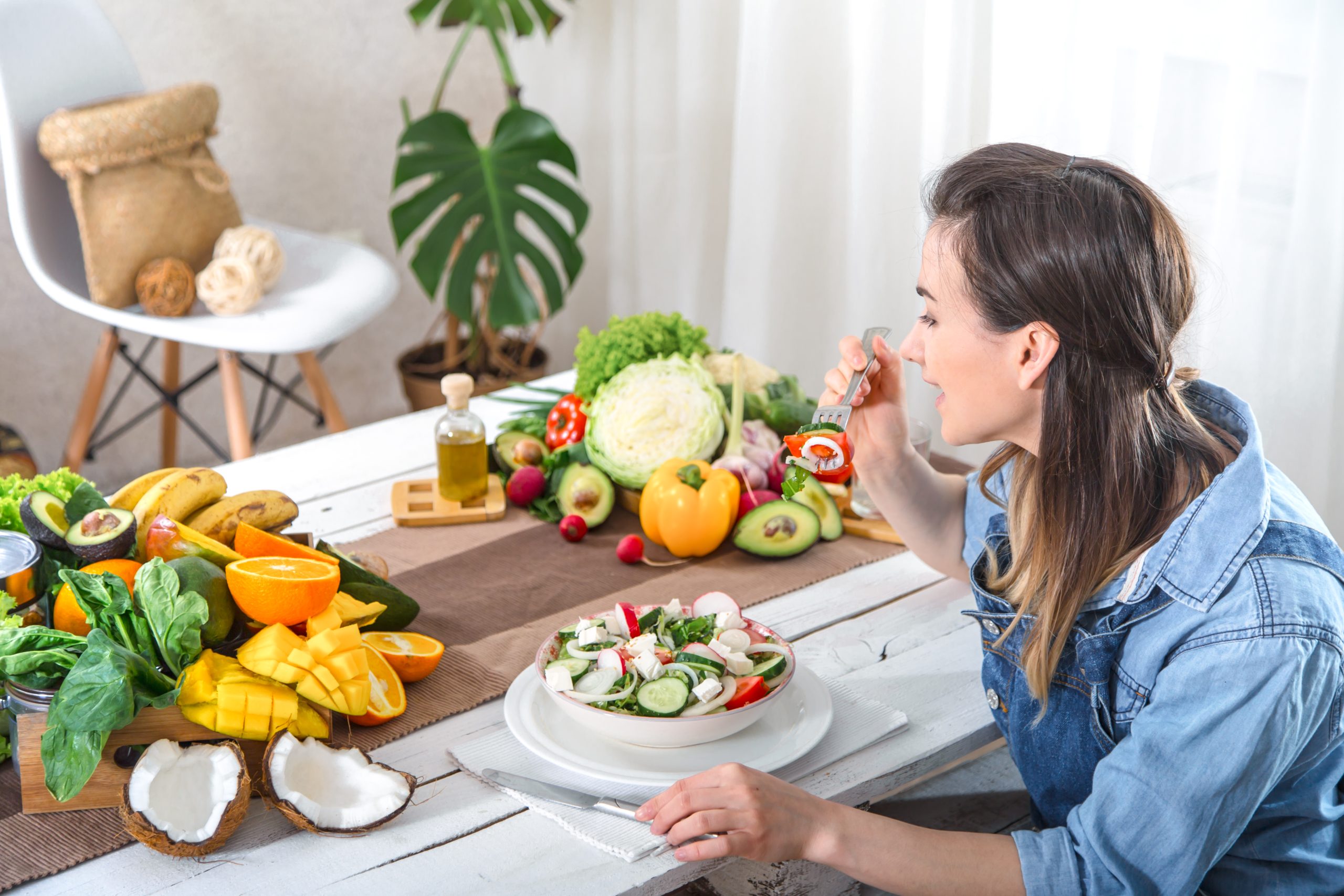
Learn what to eat and what to avoid with PCOS. Discover simple, balanced diet tips, healthy Pakistani food choices, meal ideas, and practical nutrition guidance.
What Is PCOS?
Polycystic ovary syndrome (PCOS) is a common hormonal condition that can affect people with ovaries during their reproductive years. It may be associated with irregular menstrual cycles, higher levels of certain hormones called androgens, acne, increased facial or body hair, and difficulty with ovulation.
PCOS can affect people differently. Some people may experience changes in their menstrual cycle, while others may mainly notice skin changes, hair growth, or difficulties with weight management.
Nutrition cannot cure PCOS, but a balanced eating pattern can be an important part of managing overall health and supporting healthy lifestyle habits.
The good news is that following a PCOS-friendly diet does not mean you have to completely stop eating your favourite foods. Instead, the focus should be on nutritious foods, balanced meals, sensible portions, and habits that you can maintain over time.
How Can Diet Help With PCOS?
Diet is one part of a healthy lifestyle for people with PCOS. A balanced eating pattern can help support healthy blood glucose levels, heart health, weight management when appropriate, and overall nutrition.
Some people with PCOS also experience insulin resistance, which means the body may not respond to insulin as effectively as it should. This can affect how the body manages blood glucose.
Rather than following an extreme diet, it is usually more helpful to build meals around nutritious foods and maintain regular eating habits.
A balanced PCOS-friendly meal can include:
- Protein-rich foods
- Vegetables
- Whole grains and other high-fibre carbohydrates
- Fruit
- Healthy sources of fat
- Dairy or suitable alternatives
The best approach can vary from person to person, so a diet plan should be adjusted according to individual needs, health conditions, preferences, and lifestyle.
Best Foods to Eat for PCOS
There is no single food that works for everyone with PCOS. However, many nutritious foods can easily be included in a balanced eating pattern.
1. Eggs
Eggs are a convenient source of protein and can make a filling breakfast or meal.
You can enjoy eggs with vegetables and whole-wheat roti for a simple Pakistani-style breakfast.
Try:
Eggs + vegetables + whole-wheat roti + unsweetened tea.
2. Vegetables
Vegetables provide fibre, vitamins, minerals, and other nutrients.
Try adding different vegetables to your meals instead of relying heavily on refined or highly processed foods.
Good choices include:
- Spinach
- Carrots
- Cucumber
- Tomatoes
- Cauliflower
- Broccoli
- Capsicum
- Okra
- Peas
- Bitter gourd
Aim for variety because different vegetables provide different nutrients.
3. Whole Grains
You do not necessarily need to eliminate carbohydrates because you have PCOS.
Instead, consider choosing higher-fibre carbohydrate sources more often.
Examples include:
- Whole-wheat roti
- Oats
- Brown rice
- Whole-grain bread
- Barley
Portion size is also important. A balanced meal can include carbohydrates along with protein, vegetables, and healthy fats.
4. Lentils and Beans
Daal, chickpeas, kidney beans, and other legumes can be excellent additions to a balanced diet.
They provide protein and fibre and are also common ingredients in Pakistani meals.
Examples include:
- Masoor daal
- Moong daal
- Chana
- Rajma
- Black beans
Instead of preparing them with excessive oil or ghee, choose cooking methods that fit your overall nutritional goals.
5. Fish
Fish can provide protein and, depending on the type, beneficial omega-3 fatty acids.
Options such as grilled, baked, steamed, or lightly cooked fish can be included in a balanced meal.
Try pairing fish with vegetables and a sensible portion of whole grains or roti.
6. Chicken
Chicken is another useful protein option.
For everyday meals, grilled, baked, roasted, or lightly cooked chicken can be preferable to heavily fried preparations.
You can combine chicken with:
- Salad
- Cooked vegetables
- Whole-wheat roti
- Brown rice
7. Yogurt
Plain, unsweetened yogurt can provide protein and calcium.
If you enjoy yogurt, choose varieties without large amounts of added sugar.
You can add cucumber, mint, or other ingredients to make a simple raita.
8. Fruits
People with PCOS do not generally need to completely avoid fruit.
Whole fruits provide fibre and important nutrients. It is usually better to eat whole fruit rather than relying on sugary fruit drinks or juices.
Examples include:
- Apples
- Oranges
- Guava
- Berries
- Pears
- Peaches
- Pomegranate
Try to include different fruits rather than eating the same fruit every day.
9. Nuts and Seeds
Nuts and seeds can be nutritious sources of healthy fats and other nutrients.
Examples include:
- Almonds
- Walnuts
- Pistachios
- Chia seeds
- Flaxseeds
- Pumpkin seeds
Because nuts and seeds are energy-dense, portion size still matters.
A small serving can be enough as part of a balanced snack or meal.
Foods to Limit With PCOS
Having PCOS does not mean you can never eat your favourite foods. However, foods that are high in added sugars, highly refined carbohydrates, unhealthy fats, or excess calories may be better kept as occasional choices rather than everyday staples.
1. Sugary Drinks
Regular consumption of sugary drinks can add a significant amount of added sugar without making you feel very full.
Try limiting:
- Soft drinks
- Sugary juices
- Sweetened energy drinks
- Sugary iced teas
- Sweetened coffees
Better everyday choices can include water, unsweetened tea, or other low-sugar options.
2. Highly Processed Snacks
Try not to make highly processed snacks a regular part of your diet.
Examples include:
- Chips
- Biscuits
- Cakes
- Doughnuts
- Packaged sweets
- Highly sugary cereals
These foods can be enjoyed occasionally, but a diet based mainly on minimally processed and nutritious foods is generally a better foundation.
3. Excessive Fried Foods
Fried foods can be high in calories and fat, especially when eaten frequently.
Examples include:
- Samosas
- Pakoras
- Fried chicken
- French fries
- Fried snacks
You do not necessarily need to completely remove these foods from your life. Instead, consider reducing how often you eat them and choosing grilled, baked, steamed, or lightly cooked alternatives more often.
4. Foods High in Added Sugar
Frequent intake of foods and drinks high in added sugar can make it harder to maintain a balanced diet.
Try limiting:
- Sweets
- Mithai
- Chocolate bars
- Cakes
- Sweet biscuits
- Ice cream
- Sugary desserts
If you enjoy something sweet, portion size and frequency can make a difference.
Can You Eat Roti If You Have PCOS?
Yes. Having PCOS does not automatically mean you need to stop eating roti.
Roti can be part of a balanced diet, particularly when made with whole-wheat flour.
The amount you need depends on factors such as your overall diet, activity level, body size, health goals, and individual nutritional needs.
Instead of eating several rotis with very little protein or vegetables, try creating a balanced plate.
For example:
Whole-wheat roti + chicken or daal + vegetables + salad.
This approach provides a combination of carbohydrates, protein, fibre, and other nutrients.
Can You Eat Rice With PCOS?
Yes, rice can also be included in a balanced diet.
You do not necessarily need to completely eliminate rice because you have PCOS.
Consider paying attention to:
- Portion size
- Type of rice
- What you eat with the rice
- Overall meal balance
For example, combine rice with a protein source such as chicken, fish, daal, or beans and add plenty of vegetables or salad.
The overall eating pattern matters more than labelling one food as completely “good” or “bad.”
Simple Pakistani Meal Ideas for PCOS
Eating for PCOS does not have to mean eating expensive or unfamiliar foods.
Here are some simple meal ideas.
Breakfast
Option 1:
2 eggs + whole-wheat roti + cucumber and tomato
Option 2:
Oats + plain yogurt + fruit + a small serving of nuts
Option 3:
Vegetable omelette + whole-wheat toast
Lunch
Option 1:
Daal + whole-wheat roti + salad + yogurt
Option 2:
Grilled chicken + vegetables + a moderate portion of brown rice
Option 3:
Chana + salad + whole-wheat roti
Dinner
Option 1:
Grilled fish + vegetables + roti
Option 2:
Chicken curry prepared with a moderate amount of oil + roti + salad
Option 3:
Mixed vegetable dish + daal + whole-wheat roti
Snack Ideas
- A piece of whole fruit
- Plain yogurt
- A small serving of nuts
- Roasted chickpeas
- Vegetable sticks with yogurt-based dip
These are examples, not a personalized medical diet plan. Individual nutritional requirements can be different.
7 Healthy Habits That Can Support PCOS Management
A healthy lifestyle involves more than food.
1. Eat Balanced Meals
Try to include protein, vegetables or fruit, and a suitable carbohydrate source in your meals.
2. Choose More Fibre-Rich Foods
Vegetables, fruits, legumes, oats, and whole grains can help increase fibre intake.
3. Stay Physically Active
Regular physical activity can support overall health and is an important part of a healthy lifestyle.
4. Drink Enough Water
Make water your main everyday drink when possible.
5. Limit Highly Processed Foods
Choose nutritious whole or minimally processed foods more often.
6. Get Enough Sleep
A consistent sleep routine can support overall health and wellbeing.
7. Avoid Extreme Diets
Very restrictive diets may be difficult to maintain. Focus on realistic habits that fit your lifestyle.
Common PCOS Diet Myths
Myth 1: You Must Completely Stop Eating Carbohydrates
Fact: Carbohydrates are not automatically unhealthy. The type, amount, preparation, and overall balance of the diet matter.
Myth 2: Fruit Is Bad for PCOS
Fact: Whole fruit can be part of a nutritious diet. It provides fibre, vitamins, minerals, and other beneficial nutrients.
Myth 3: One Specific Food Can Cure PCOS
Fact: No single food can cure PCOS. Nutrition is one part of managing overall health.
Myth 4: You Need a Very Strict Diet
Fact: A sustainable and balanced eating pattern is generally more realistic than an extremely restrictive diet.
Myth 5: Everyone With PCOS Needs the Same Diet
Fact: PCOS affects people differently, and nutritional needs can vary. A personalized approach may be more appropriate.
When Should You Talk to a Nutritionist?
If you have PCOS and are confused about what to eat, a qualified nutrition professional can help you create a practical eating plan based on your individual needs.
Professional guidance may be particularly useful if you are:
- Struggling with weight management
- Unsure about portion sizes
- Finding it difficult to plan balanced meals
- Frequently following restrictive diets
- Unsure how to adapt traditional Pakistani foods
- Looking for a diet that fits your daily routine
A nutritionist can help you develop realistic habits rather than relying on short-term crash diets.
Final Thoughts
Following a PCOS-friendly diet does not mean giving up every food you enjoy.
A better approach is to focus on balance. Include protein-rich foods, vegetables, fruits, whole grains, legumes, healthy fats, and suitable portions of carbohydrates. At the same time, limit excessive sugary drinks, highly processed foods, and frequent fried foods.
Most importantly, remember that there is no one perfect PCOS diet for everyone.
Your nutritional needs can depend on your health, lifestyle, preferences, activity level, and personal goals.
If you are looking for professional guidance, NutriVibebyHWO can help you work toward healthier and more sustainable nutrition habits.
Ready to Take the Next Step?
Want a personalized nutrition plan for your health and lifestyle?
Book a consultation with NutriVibebyHWO and get nutrition guidance designed around your individual needs.
Book Your Consultation Today
Frequently Asked Questions About PCOS Diet
What is the best diet for PCOS?
There is no single diet that is best for every person with PCOS. A balanced eating pattern containing vegetables, fruits, protein-rich foods, high-fibre carbohydrates, and healthy fats can be a good foundation.
What foods should I avoid with PCOS?
Rather than completely banning specific foods, focus on limiting frequent intake of sugary drinks, highly processed foods, foods high in added sugar, and excessive fried foods.
Can I eat rice if I have PCOS?
Yes. Rice can be included in a balanced diet. Pay attention to portion size and combine it with protein and vegetables.
Can I eat roti with PCOS?
Yes. Whole-wheat roti can be part of a balanced PCOS-friendly meal. The appropriate portion depends on your individual nutritional needs.
Is fruit good for PCOS?
Whole fruit can be part of a healthy eating pattern. Fruit provides fibre and important nutrients.
Can diet cure PCOS?
Diet cannot be considered a cure for PCOS. However, healthy eating and lifestyle habits can be an important part of managing overall health.
Can PCOS cause weight gain?
PCOS can be associated with weight gain or difficulty managing weight for some people, but experiences vary. Weight is influenced by many factors, including genetics, hormones, activity, sleep, medications, and eating patterns.
Should I follow a very low-carb diet for PCOS?
Not necessarily. There is no universal requirement for people with PCOS to follow an extremely low-carbohydrate diet. A balanced approach that considers carbohydrate quality, portion size, protein, fibre, and overall nutrition may be more sustainable.